Uncertainty was high last year when industry leaders at Herøya and Rafnes spoke of crisis measures to keep things running after Norway shut down in March. Now they report on measures that worked, on employees who kept operations going, completed maintenance shutdowns, expansions, and production records.
Surprisingly good year for Inovyn
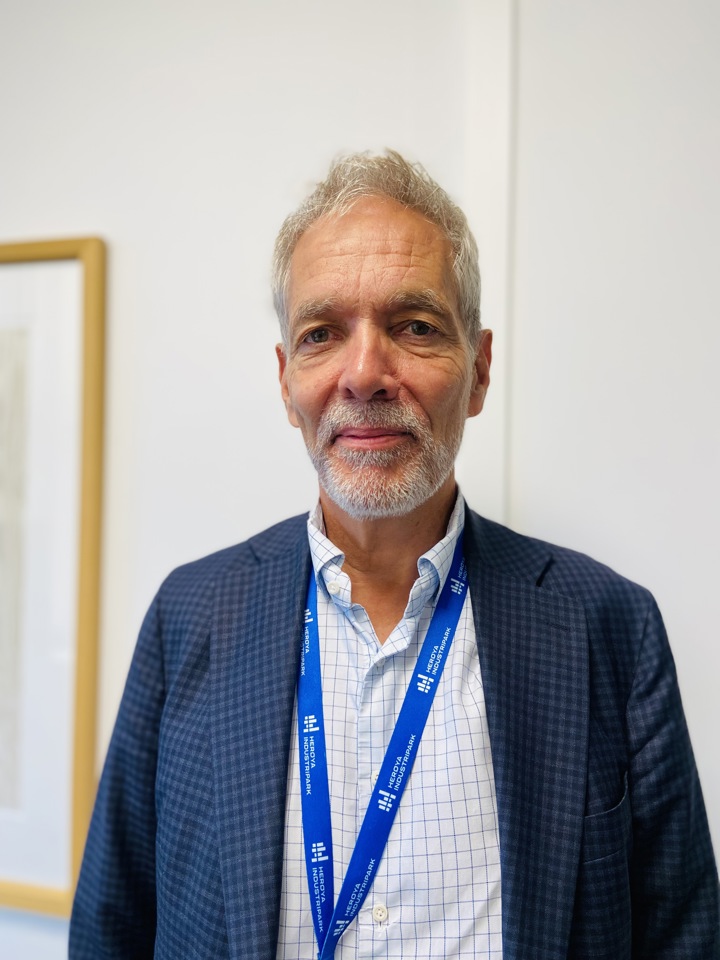
“Production has gone surprisingly well in the pandemic year,” comments Rodney Ishak, Plant Director at Inovyn. “We ran at somewhat reduced capacity in the second quarter due to a slight dip in the market, but through the autumn it was full production.”
Inovyn completed two major production expansions and set production records, both monthly and annual. “We’ve more or less produced as much as we possibly can,” says a satisfied plant manager.

“Demand is high. We supply, among other things, caustic soda to the paper industry and plastic for piping. Increased online shopping led to higher demand for cardboard, and government measures helped keep society moving. The first half of 2020 was good; the second half picked up even more, and the PVC market really took off. We were able to take advantage of that and deliver high production. Profitability-wise it has been a very decent year — surprisingly good, in fact,” he says.
Continuing infection control
From the start, Inovyn shielded the plant organisation and introduced strict guidelines and hygiene measures.
“We remain focused on avoiding infection, and the guidelines are at least as strict now. We’ve only had one case of infection, and not in the factories. It has gone well so far. Unfortunately, it means being together as little as possible now. Working from home, face masks and reduced social contact affect the psychosocial environment. We therefore try to arrange pleasant initiatives. Among other things, we use Rafnes Gård, which prepares good food and organises small events for employees.”
Stable production at Yara
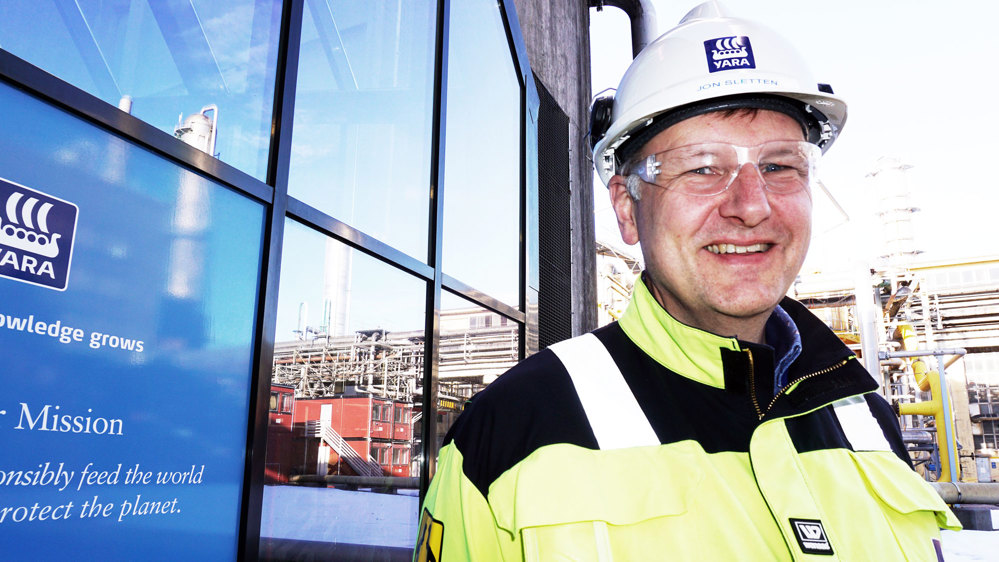
“We’ve managed to maintain steady and stable production,” says Plant Manager Jon Sletten at Yara Porsgrunn. “Our priority in March was to protect our people in operations. We held regular status meetings at plant and department level, and we isolated ourselves to limit contact. The lockdown came right in the middle of the spring planting season, so it was critical to secure stable production and delivery of fertiliser.”
Cooperation created calm
Sletten praises good cooperation with the Occupational Health Service, Bilfinger and Herøya Industripark AS, which helped handle the uncertainty of the situation.
“Together with the occupational health service, we obtained rapid tests. That gave early indications and created calm within the organisation. We established safe systems for lorries and ships entering and leaving Herøya together with Marit Bredesen, Head of HSE at Herøya Industripark AS. We also regularly exchange experiences with Bilfinger,” he says.
“The Administration Building at Herøya has been a safe and useful place to use, both as a quarantine facility for hired personnel during maintenance shutdowns and for small company gatherings.”
Strong operations at Bilfinger
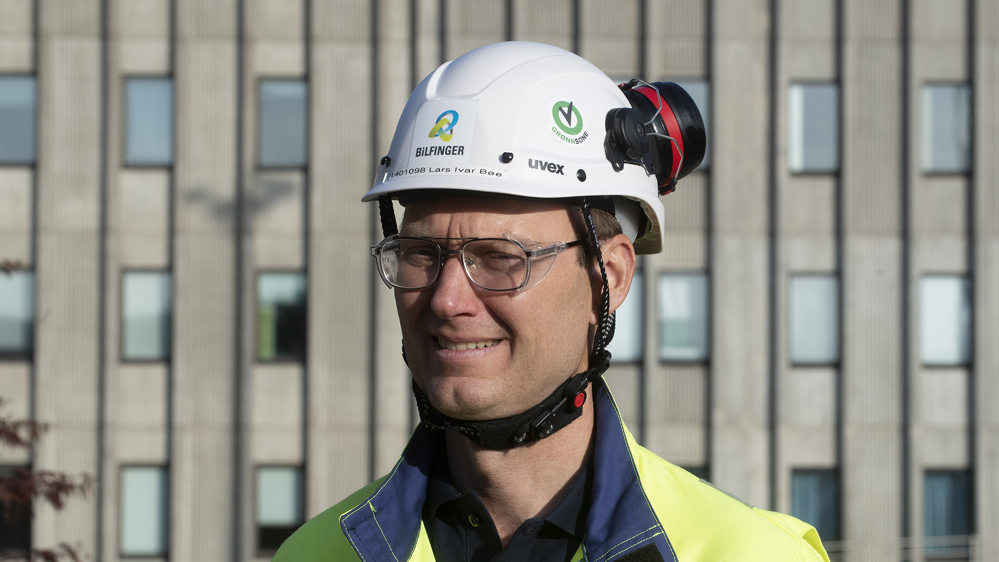
Lars Ivar Bøe, Regional Manager East at Bilfinger, reports strong operations, especially in the second half of 2020.
“We really felt it when Norway shut down. Activity dropped, but after the second half of last year we have had strong operations. Together with customers like Yara and Inovyn, we implemented robust infection-control measures and completed maintenance shutdowns satisfactorily in 2020. The biggest maintenance stop was at Yara last autumn.”
Demand for Norwegian labour
The staffing situation has been challenging, but the company has coped well.
“We kept contact limited during assignments and divided into cohorts in the workshop. We also experienced increased demand for Norwegian labour in 2020. As a result, we’ve both hired people and sought temporary workers locally and from elsewhere in Norway. We have had a couple of infection cases but managed them well,” says Bøe.
On standby
Bøe says the emergency response team is still in place and several staff continue to work from home.
“We are still on standby to take measures to best support stable daily operations for our customers,” he says. “We try to maintain cohorts, avoid mixing, and not move between workshops. The social aspect is challenging, of course, but I think our employees have been very loyal and followed the rules very well. We’re very pleased so far,” Bøe says.
Text/photo: Siri Krohn-Fagervoll siri@krohnfagervoll.no